
The Suwałki Gap is the roughly 65-kilometer land strip linking Poland to Lithuania (the Lithuanian encyclopedia VLE describes the wider strip of Polish territory as about 80 km long, depending on where its ends are drawn). It is the only land connection between the three Baltic states (Lithuania, Latvia, Estonia) and the rest of the European Union - to its east is Belarus, to its west is the Russian exclave of Kaliningrad. For anyone monitoring the EU's eastern frontier, the gap is a compact geographic test case: two hostile borders, one narrow passage, and a wind field that frequently moves air from one side to the other.
On AirVeto, the gap is where the orange-border inflow-detection logic pays off most directly. A segment on the Lithuanian-Belarusian frontier turns orange when the wind vector is currently crossing into Lithuania within 85° of the border-normal; a segment on the Polish-Russian frontier turns orange when wind is crossing from Kaliningrad into Poland. Both can happen simultaneously, and when they do, the gap becomes an inflow funnel for airborne objects released on either side.
A narrow gap also means that a single synoptic system (a passing front, a stationary high) dominates the entire gap. You rarely see the northern end and southern end in genuinely different wind regimes. Kaliningrad's wind field, in particular, is usually correlated with the adjacent Polish-Lithuanian coast - reason enough to read the Polish side of the gap as a proxy for the Kaliningrad interior when that matters.
The gap has been the focal point of repeated airspace events in 2025–2026, including smuggling-balloon activity along the Lithuanian-Belarusian portion and airspace closures at Vilnius International Airport (30 km north of the gap's Lithuanian end). The specific closures are documented in the incidents listed below.
Altitude selection matters across the gap. Smuggling balloons released on the Belarusian side typically cruise between 2,000 m and 8,000 m, so the inflow reading that matters is the mid-troposphere field rather than the surface wind - boundary-layer flow near the ground is lighter, more variable, and often decoupled from the air that actually carries an object across the gap. The 3,000 m layer is the working default for balloon-drift reasoning; switch higher when a sighting reports a fast crossing, lower only for short-range objects that never climbed out of the boundary layer.
For an analyst, the gap view answers one question precisely: in the hours around a reported incursion, was the wind at cruise altitude oriented to carry something from one hostile border across the gap and onto EU territory? An orange border segment means the geometry allowed it - it does not confirm anything was airborne. Read alongside the reconstructed incidents listed below, the hub turns a single day's wind field into a record a report can be anchored against.
The gap view is regional context, not a trajectory model. AirVeto renders the wind field that a dispersion model would ingest; it does not compute point trajectories. For questions of where an object released here would come down, the wind layer is the upstream input - the trajectory itself is the work of a dedicated model.
Incidents at this location
- 🇱🇹 · Jul 12, 2026 · Daugidoniai village
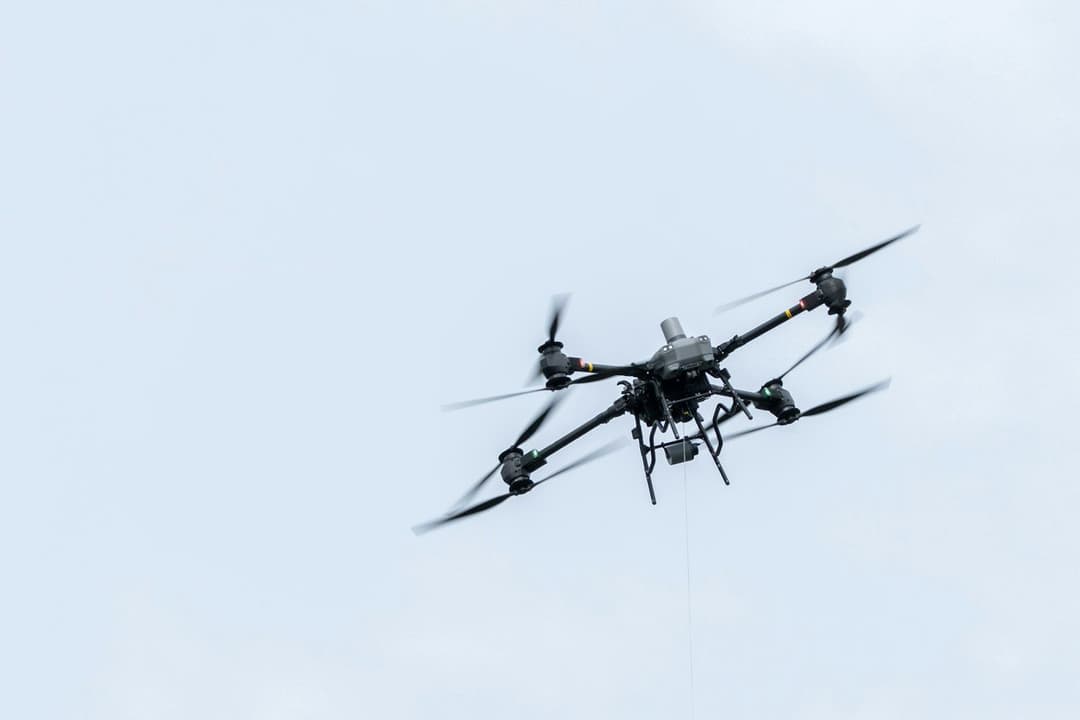
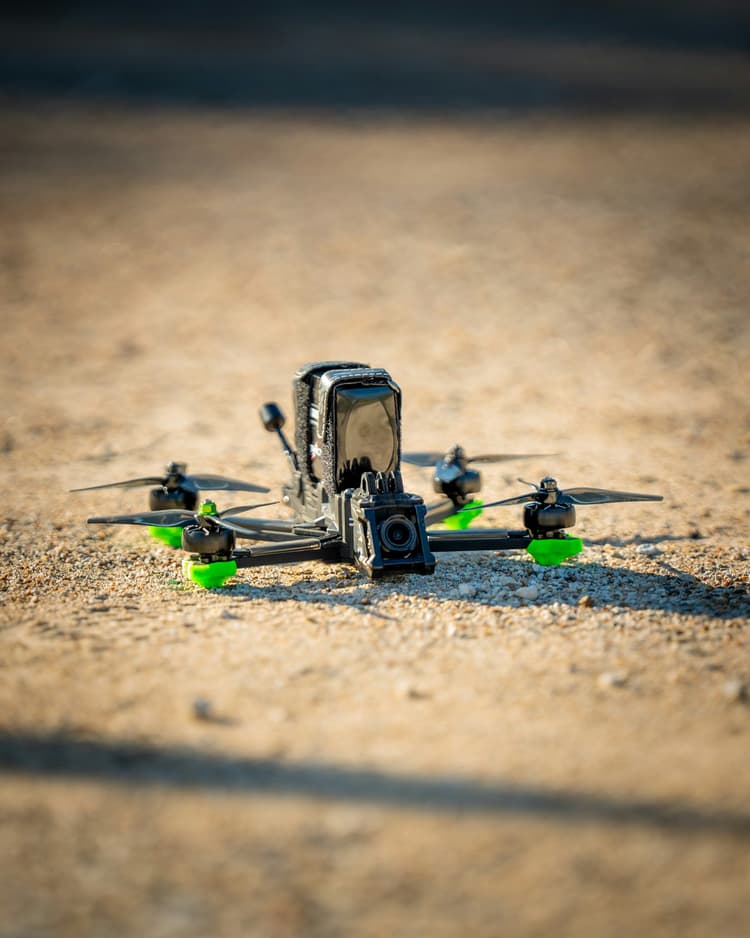
Daugidoniai drone, July 12, 2026 - cigarettes from Belarus
Lithuanian border guards intercepted a contraband drone from Belarus near Daugidoniai village on Sunday, July 12, 2026, recovering 200 packs of NZ Gold cigarettes worth €1,102. - 🇱🇹 · Jul 9, 2026 · Padvarioniai outpost area
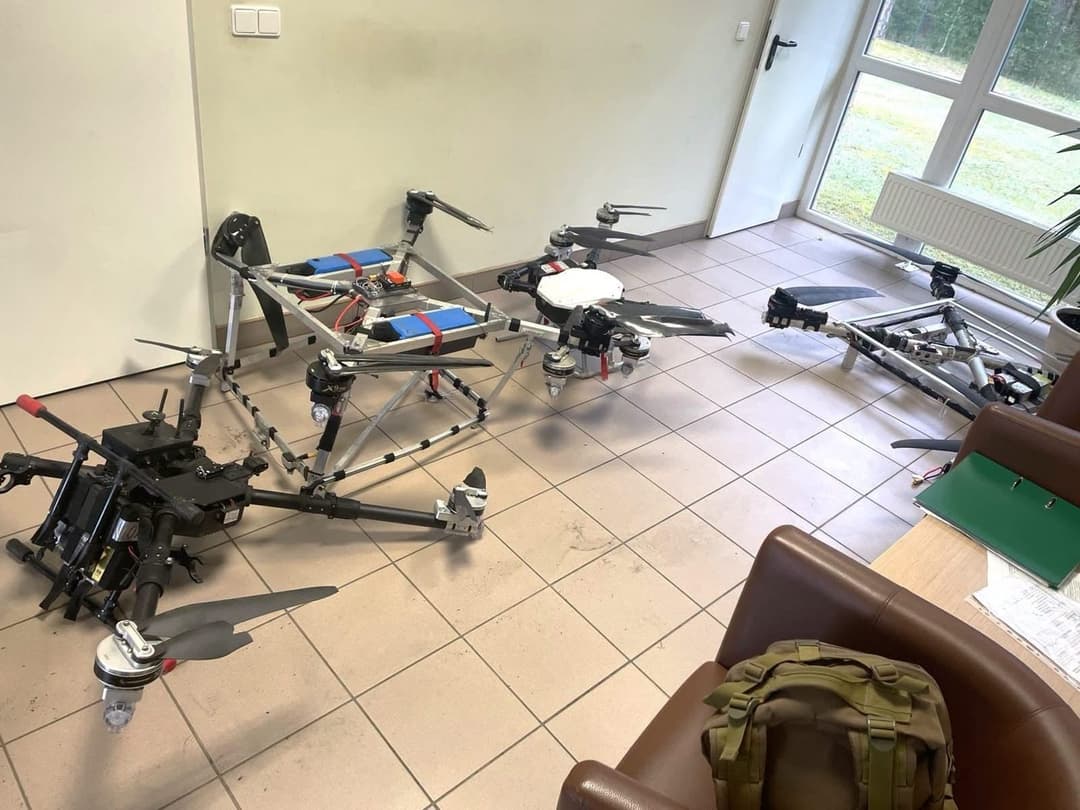
Padvarioniai drones, July 9, 2026 - 2,000 cigarette packs seized
VSAT officers at the Padvarioniai outpost intercepted two contraband drones from Belarus on Thursday night, July 9, 2026, recovering 2,000 packs of Queen Menthol cigarettes worth €10,920. - 🇱🇹 · Jul 9, 2026 · Prūdelis
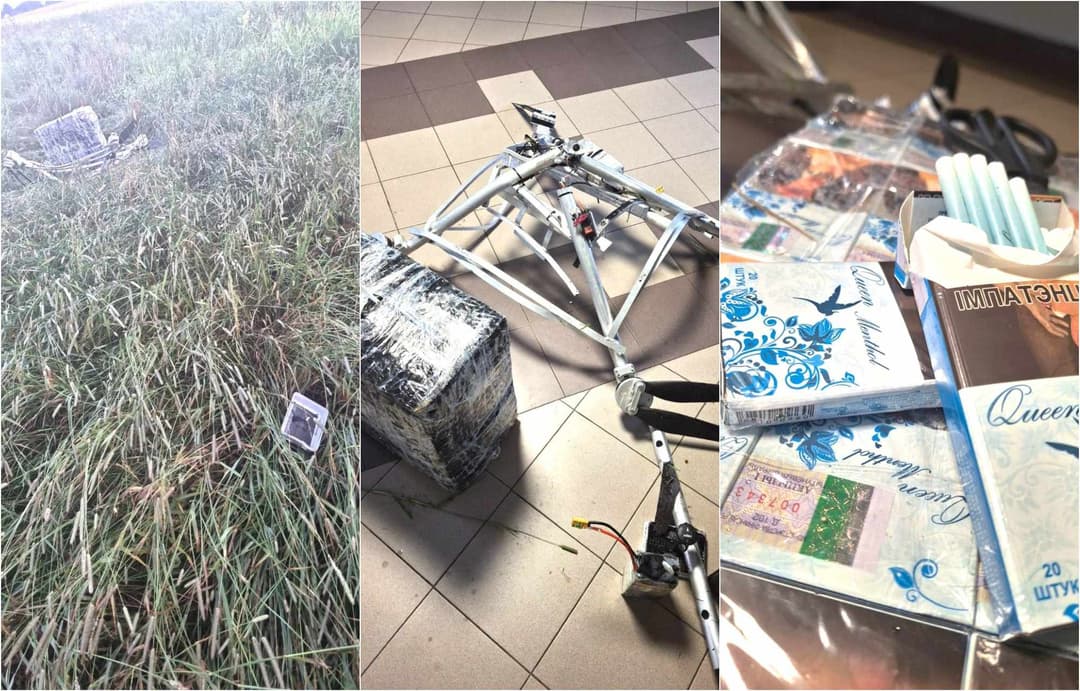
Contraband drone from Belarus intercepted at Prūdelis
VSAT border guards at Prūdelis village used anti-drone equipment to take over a cigarette-smuggling drone from Belarus. After the control signal was overridden, the drone crashed to the ground. - 🇱🇹 · Jul 7, 2026 · Druskininkai
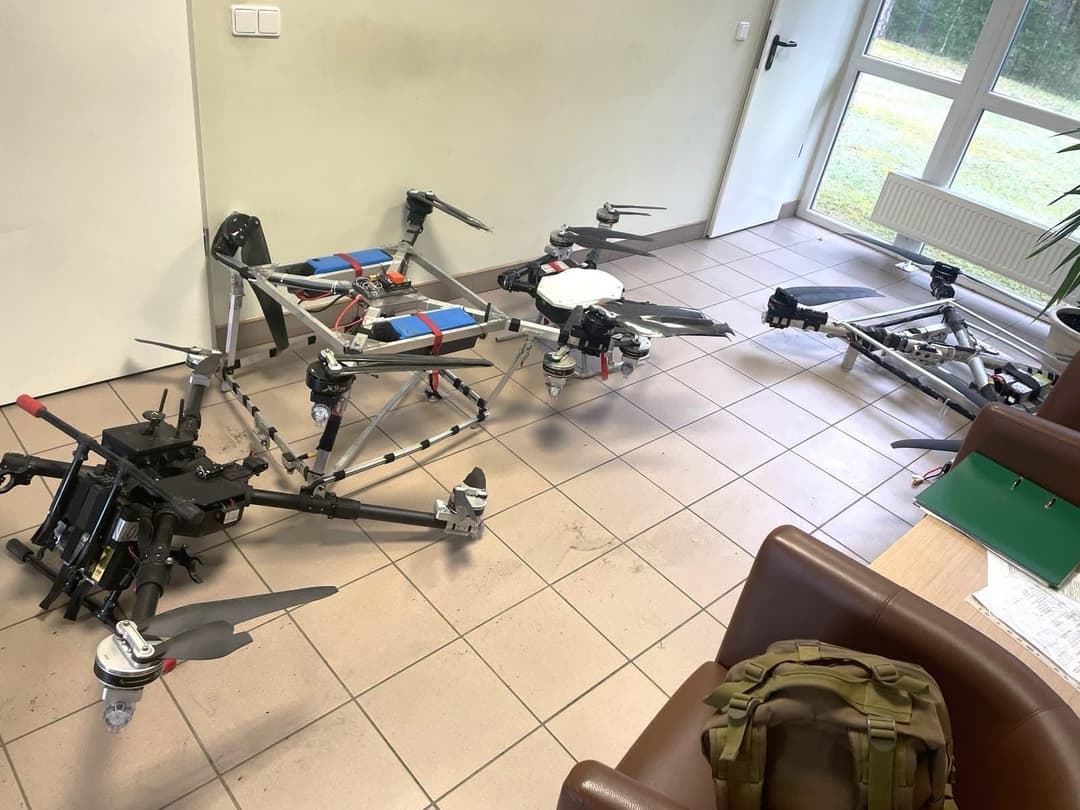
Four contraband drones intercepted at Druskininkai in one night
Lithuanian border guards landing four smuggling drones at once carrying 5,000+ packs of Belarusian cigarettes - the largest simultaneous drone interception in VSAT operational history. - 🇱🇹 · Jun 10, 2026 · Puvočiai field base

Puvočiai balloon payload, Jun 2026 - students find cargo box
Vilnius University geography students discovered a contraband balloon payload at the Puvočiai field base in Varėna district during field practice in June 2026. - 🇱🇹 · Jun 7, 2026 · Vilnius International Airport
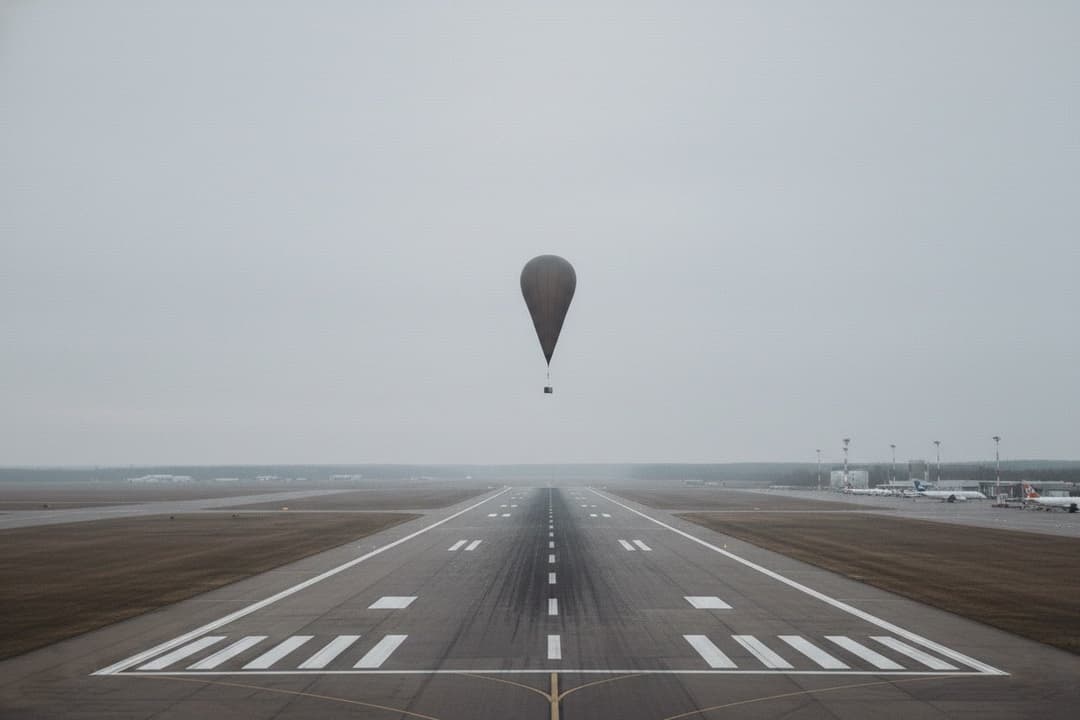
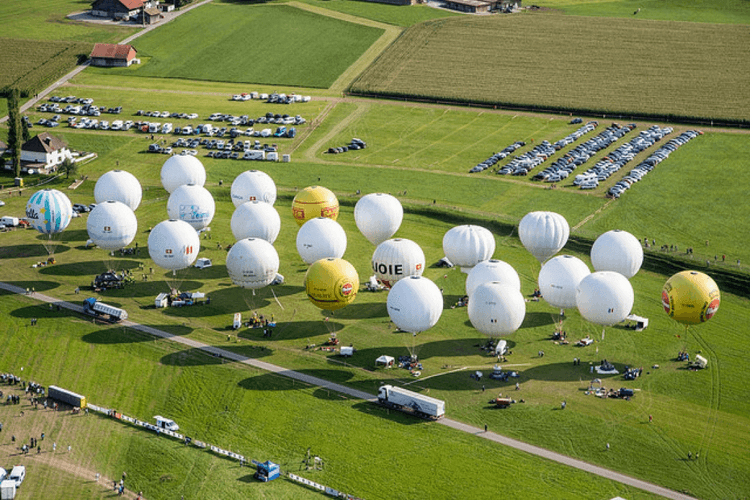
Balloon closes Vilnius airport, four flights diverted
Belarusian balloon markers closed Vilnius Airport from 01:18 to 04:00 EEST on June 8, 2026, disrupting five flights and 453 passengers; four aircraft were diverted, including two to Kaunas. - 🇱🇹 · May 19, 2026 · Trakai district
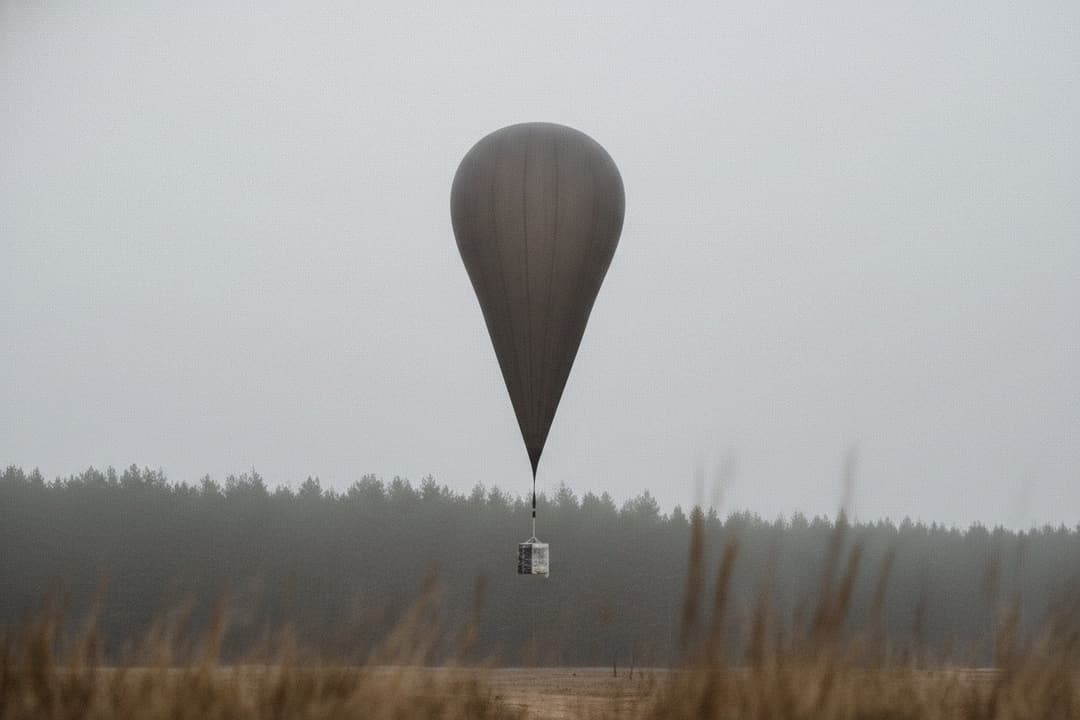
Smuggling balloons land near MP's home in Trakai, Lithuania
Two smuggling balloons carrying contraband cigarettes came down near a lake in Trakai district early on the morning of May 19, 2026, a few houses from Lithuanian MP Edita Rudelienė's home. - 🇱🇹 · May 12, 2026 · Lauryno Ivinskio Street
Belarus balloon carries 9,000 cigarettes into Kaunas, Lithuania
A balloon carrying ~9,000 cigarette packs landed in Šančiai, Kaunas, on May 13, 2026; the ICON wind field shows a sustained flow pushing north from the Hrodna (Grodno) oblast of Belarus. - 🇱🇹 · Apr 9, 2026 · Vilnius International Airport
Balloons close Vilnius airport for almost seven hours
Vilnius Airport (EYVI) was closed for almost seven hours on April 9–10, 2026 after suspected smuggling balloons entered approach airspace from the Belarusian direction. - 🇱🇹 · Feb 6, 2026 · Druskininkai
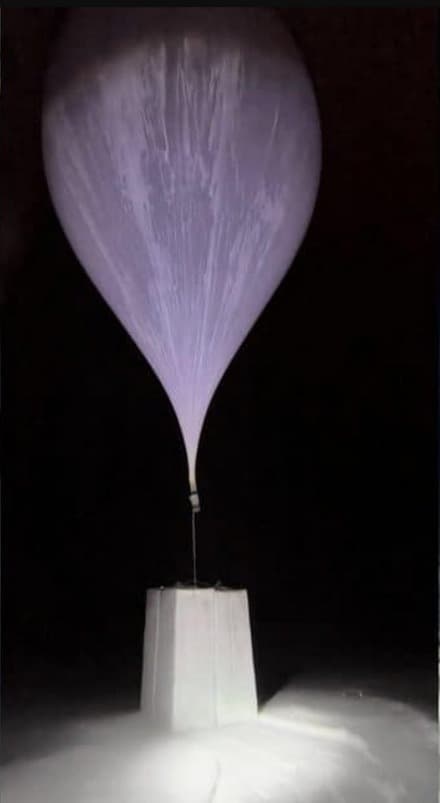
Record seven balloon shipments intercepted in southern Lithuania
Lithuanian border guards intercepted seven balloon-borne cigarette shipments in Varėna, Lazdijai and Druskininkai on February 6, 2026, the most in one day that year. - 🇱🇹 · Jan 28, 2026 · Vilnius International Airport
Eight smuggling balloons intercepted near Vilnius airport
Eight balloons entered Lithuanian airspace near Vilnius Airport at 03:00 UTC on January 28, 2026; four suspects were arrested. AirVeto's 7 km wind log shows ~71 km/h flow pushing NNW from Belarus.
Related reading





Methodology: see /about/methodology. AirVeto is situational awareness and decision support, used alongside official systems. It does not replace them.