
Lithuania's Border Fortification Deadline Slips to 2028 as the Plan Nearly Doubles
Lithuania's government approved a revised counter-mobility plan August 12, 2026: the deadline moves to December 2028 as the network grows from 27 to 50 sites.
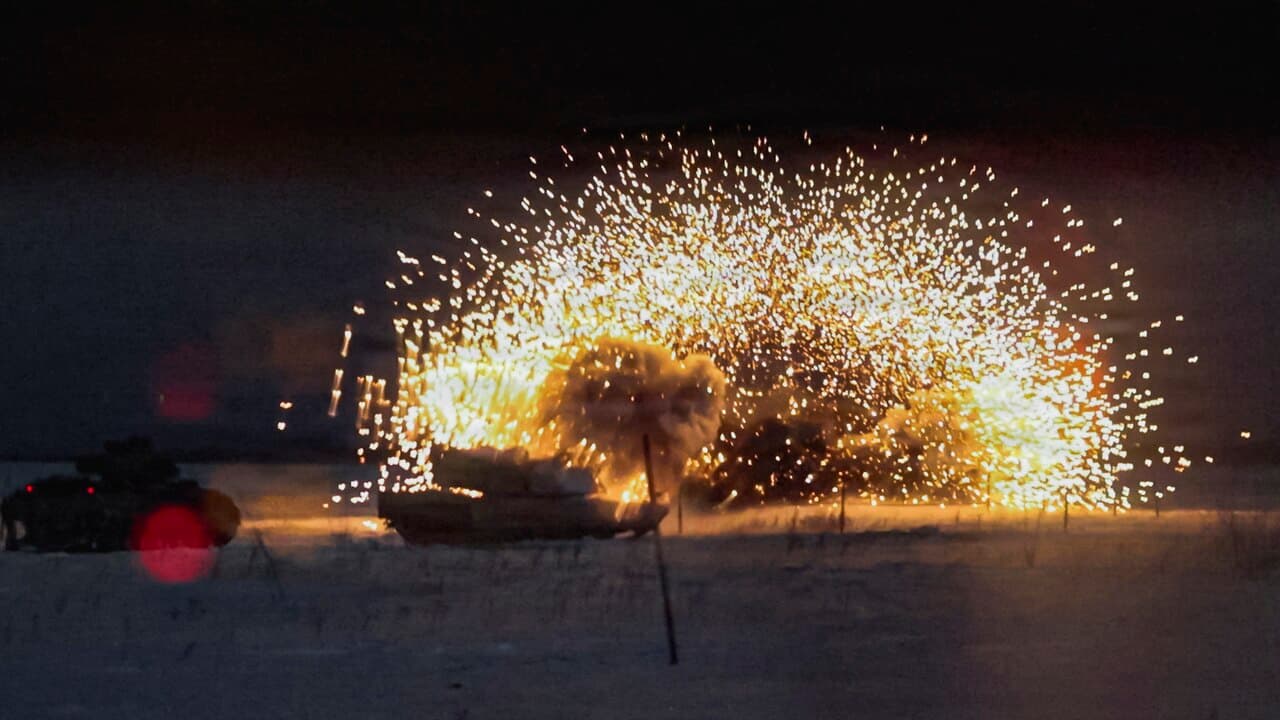
Lithuania's government approved a revised counter-mobility engineering plan on August 12, 2026, pushing the deadline for its network of anti-armor engineering parks from April 1, 2025 to December 31, 2028, as the Ministry of National Defence (KAM) nearly doubles the network from 27 to 50 sites.
Counter-mobility parks store the equipment used to build field fortifications on short notice: anti-tank ditches, dragon's teeth, mined obstacle belts, the engineering work meant to slow an armored column before it reaches defended ground. Lithuania opened its first park in August 2024, part of a three-tier defence line KAM introduced in 2025 with layers set at 3, 20, and 50 kilometers from the border.
The original 27 parks are built. The deadline that slipped covers the other 23
The 27 parks under the 2024 plan are complete and equipped. What moved is the deadline for the expanded network: the original April 2025 target covered 27 planned parks; the approved plan covers 50. KAM's own explanation for the three-year, eight-month delay is scope, not schedule failure on the existing sites - building nearly twice the network in the same window was never realistic, so the ministry re-baselined the completion date against the larger number rather than hold the old date against a target that had already grown past it.
A new fortified strip runs the length of the Belarus and Kaliningrad border
The approved plan adds a measure that wasn't in the 2024 version: a dedicated counter-mobility strip running from the border patrol road inland, 20 meters wide by default and widening to 150 meters at locations the Lithuanian Armed Forces designate for defensive operations. The strip covers the full length of Lithuania's frontier with Belarus and Russia's Kaliningrad exclave, to be completed on the same December 31, 2028 date as the park network. Wetland restoration was substituted in for a different measure, not simply added: the original plan called for tree-belt planting as a natural obstacle, dropped because trees take roughly 30 years to reach a height useful for defence. Restored wetlands do the same job faster, with a runway to the end of 2030.
The cost is modest against the scope of the work
KAM estimates the expanded plan needs roughly 50 million euros in additional funding from the State Defence Fund across 2026 to 2030, a small figure against the near-doubling of the physical network it buys. The revised plan sits inside Lithuania's broader post-2022 fortification push along the Suwałki Gap and the Kaliningrad frontier, the same eastern-flank buildup covered in AirVeto's reporting on NATO's air-defense restructuring and Lithuania's Patria 6x6 acquisition.
Sources
- LRT English - Lithuania expands border defences, extends timeline for counter-mobility measures (12 Aug 2026)
- 15min.lt - Vyriausybė koreguos kontrmobilumo priemonių planą (30 Jul 2026)
- Lietuvos Respublikos Vyriausybė - Vyriausybė pritarė Krašto apsaugos ministerijos siūlymams dėl naujų ir atnaujintų kontrmobilumo priemonių (12 Aug 2026)