
The Companies Racing to Out-Boeing Boeing Have Never Flown a Full-Size Plane
JetZero and Natilus, two blended-wing-body startups backed by over a billion dollars combined, have each flown only a subscale prototype.
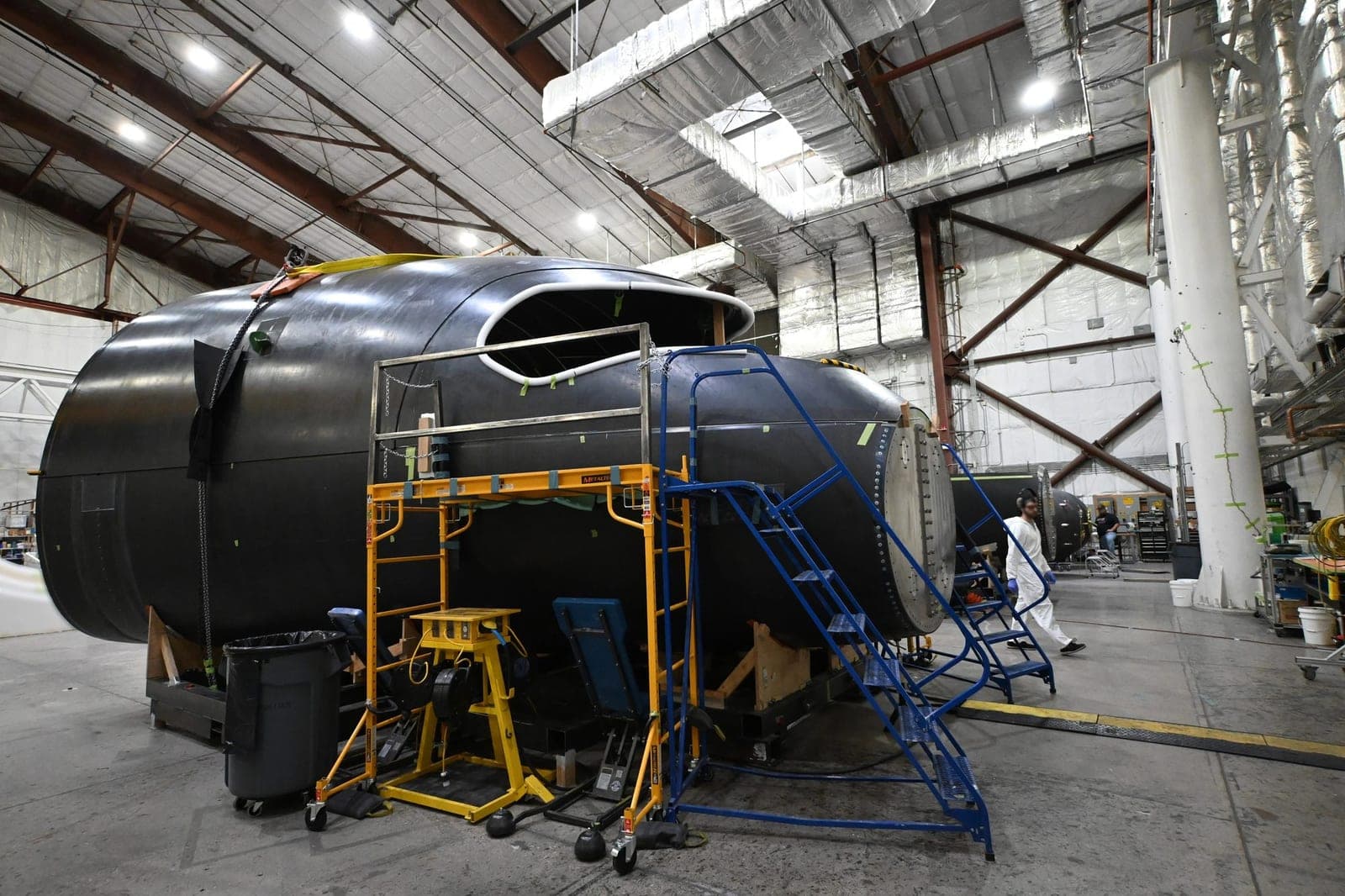
JetZero and Natilus, two blended-wing-body startups pitching themselves as Boeing's replacement, have raised more than a billion dollars combined between them and neither has flown anything larger than a subscale prototype.
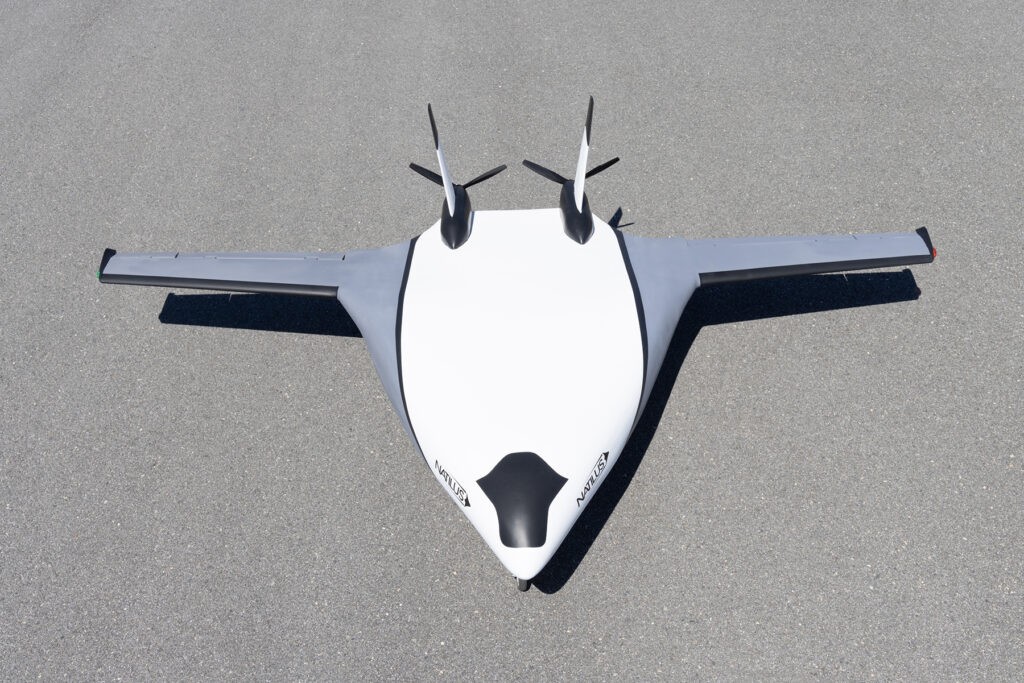
JetZero holds a 235 million dollar US Air Force contract (2023) to build a full-scale tanker-and-transport demonstrator called Jet1, backing from Northrop Grumman, RTX, and United Airlines through a 175 million dollar Series B round, and a non-binding letter of interest for 3 billion dollars in export financing, signed with the US Export-Import Bank at the Farnborough Airshow on July 20, 2026. The letter is a preliminary step, not a financing commitment: EXIM's board still has to complete underwriting, legal, and environmental review before any loan is approved. Natilus has raised money from Tim Draper and other venture investors since 2016 and states it holds purchase commitments for more than 460 aircraft worth roughly 6.8 billion dollars, later reported by Simple Flying as growing to 570 orders worth 24 billion dollars. Neither company's flown hardware matches the scale of its funding: JetZero's only flights to date are 1:8-scale Pathfinder demonstrators, five generations over 30 flights since 2024; Natilus flew a subscale Kona prototype once, in April 2023, at 70 mph on a private Southern California runway.
JetZero's shape draws comparisons to a stealth bomber, its funding to the Pentagon
The Z4 replaces the tube-and-wing shape of every Boeing and Airbus airliner with a single lifting body, a silhouette multiple outlets have compared directly to the B-2 stealth bomber's flying-wing design, though JetZero says the resemblance is coincidental to its actual purpose: cutting fuel burn by roughly 30 percent against a current-generation aircraft like the 787. The US Air Force is funding JetZero specifically as a future refueling tanker, since tankers and transports account for close to 60 percent of the Air Force's annual jet fuel consumption. The full-scale Jet1 demonstrator, built with Northrop Grumman subsidiary Scaled Composites in Mojave, California, and powered by a Pratt & Whitney engine shared with the Boeing 757, is targeted to fly for the first time in 2027. Until then, the largest thing JetZero has flown is an eighth-scale model.
Natilus is chasing the same shape from the cargo side, on a single subscale flight
Natilus sequenced its bet the opposite way from JetZero: freight first, passengers later. Its Kona freighter (3.8-tonne payload, turboprop, optionally piloted) is meant to fly before its Horizon passenger variant (200 seats, 25-tonne payload). The company's only confirmed flight test remains the April 2023 subscale Kona prototype; a full-scale demonstrator has not yet flown. In an unusual step for a commercial aerospace program, Natilus also partnered with YouTuber "Ramy RC" to build a 24-foot-wingspan radio-controlled Horizon model, targeting first flights in early 2026, alongside the actual engineering program.
Boeing's quality crisis opened the door, but Airbus holds the market
Both startups pitch themselves against Boeing specifically, not against the market leader. Airbus, not Boeing, has been outselling and outdelivering the industry through 2026 - the A320 family passed the 737 as the most-delivered jetliner ever in 2025, and Airbus has kept a roughly 50-aircraft delivery lead over Boeing through the first seven months of 2026. Boeing's own position is a genuine recovery story, not an ongoing decline: after the January 2024 Alaska Airlines door-plug blowout and whistleblower allegations of improperly tracked faulty parts triggered hard FAA production caps, CEO Kelly Ortberg's Safety and Quality Plan, more training hours, and Boeing's reacquisition of fuselage supplier Spirit AeroSystems led the FAA to lift the production cap in March 2026. That recovery is still producing fresh defects, not a clean bill of health: on August 7, 2026 the FAA ordered fuselage-crack inspections on 1,429 737 MAX jets worldwide over a manufacturing flaw in the "bear strap" reinforcement around doorways, and a separate directive covers 453 jets with incorrectly installed seat-track locking pins. Boeing's multi-year credibility gap is the opening JetZero and Natilus are pitching investors on, but neither company is positioned to contest Airbus's actual market lead - both are years from certifying anything, while Airbus is already selling and delivering aircraft at scale today.
Real hardware exists, at a fraction of the scale either company has been funded to build
Both companies' investor and government backing is real and already spent on physical construction. Neither has yet closed the gap between a subscale test article and a certified, full-size aircraft, the gap that decides whether either company ships product this decade or joins the long list of aerospace startups that raised money for a shape that never reached production. JetZero's US Air Force contract carries a harder deadline (first flight in 2027 under a government contract) than Natilus's investor-driven timeline, which is the practical difference between the two bets as much as tanker versus freighter is.
The capacity gap both companies are chasing is real, even if their aircraft aren't flying yet
AirVeto has covered how dependent European and Ukrainian logistics remain on Antonov Airlines' aging Soviet-era An-124 freighters, the aircraft targeted in the Leipzig/Halle Airport drone incident. That fleet has no direct successor in production, and JetZero's tanker bet sits next to the same cost pressure AirVeto has covered in NATO's air-defense restructuring: sustaining a forward military posture on Europe's eastern border is expensive enough that airframe geometry is now a cost-control lever, not just an engineering curiosity. Both gaps stay open regardless of which blended-wing project reaches production first, since neither aircraft flies at full scale before 2027 at the earliest.
Sources
- Breaking Defense - Air Force picks startup JetZero to build blended wing body demonstrator (Aug 2023)
- AOL/Reuters - Boeing rival JetZero gets $3B boost to start production on radical Z4 aircraft (29 Jul 2026)
- FlyingMag - United, RTX, Northrop Bet On JetZero's 'All-Wing' Aircraft (2026)
- Wikipedia - JetZero
- Natilus - Successful Flight of Natilus Kona Prototype (19 Apr 2023)
- Wikipedia - Natilus
- Aviation A2Z - Boeing Loses Ground to Airbus as July 2026 Deliveries Drop 17% (12 Aug 2026)
- Aero Crew News - FAA Orders Fuselage Crack Inspections on 471 U.S. Boeing 737 Max Jets (7 Aug 2026)
- CBS News - New Boeing whistleblower alleges faulty airplane parts may have been used on jets (2024)
- Manufacturing Dive - Boeing CEO says company making progress on safety changes (2026)