
Colleferro munitions plant explosion, 13 Aug 2026
An explosion tore through the KNDS Ammo Italy munitions plant near Rome on August 13, 2026; all 24 workers on site evacuated safely before the blast.
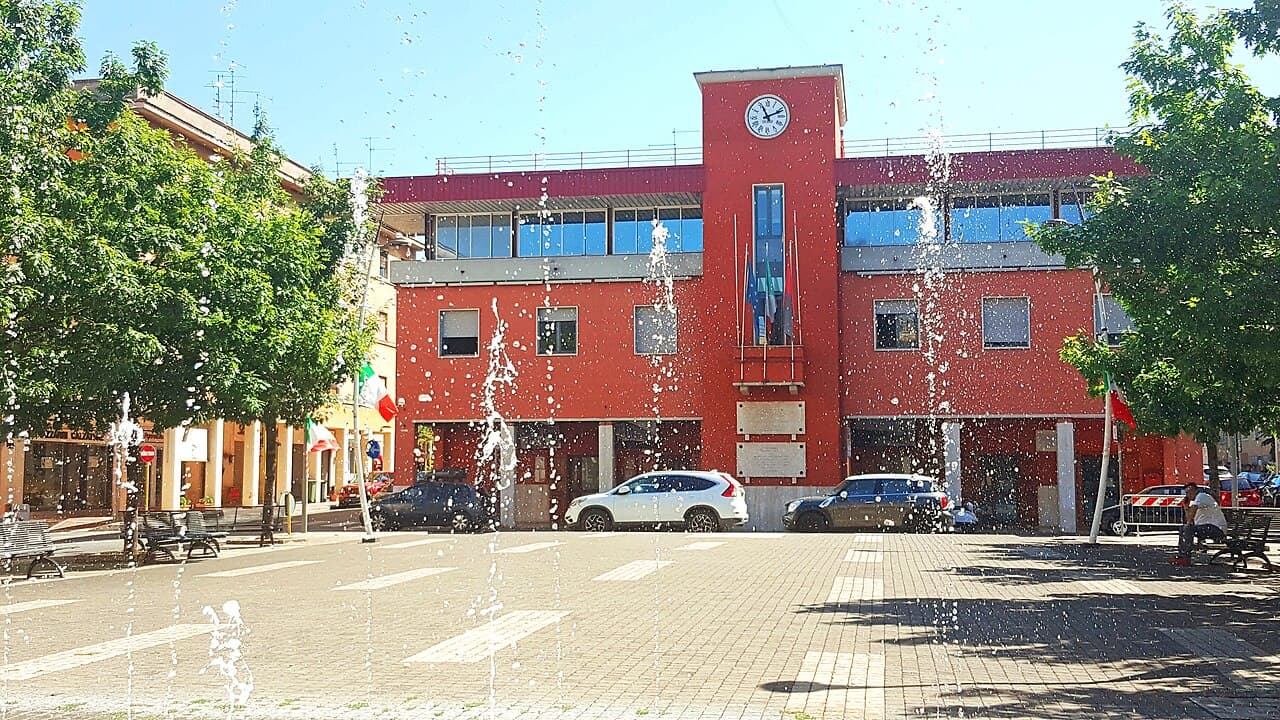
Shortly after 15:00 local time (13:05 UTC) on August 13, 2026, an explosion tore through the powder-pressing department of the KNDS Ammo Italy plant in Colleferro, southeast of Rome, on the road toward Artena. A white smoke column was followed by a boom and an orange flame estimated at around 10 meters high, then a rain of burning debris. All 24 workers on site at the time reached safety before the blast, after an earlier fire tripped the plant's suppression and alarm systems. No injuries were reported.
The plant makes ammunition for NATO and Ukraine's supply chain
The site, formerly Simmel Difesa, has manufactured medium- and large-calibre ammunition (20-203mm) for land and naval defence since 1948, along with solid propellants for aerospace launch vehicles. Ownership passed from Fiat (1988) to Chemring Group (2007) to Nexter Systems (2014); Nexter's 2015 merger with Germany's KMW created KNDS, the plant's current owner. KNDS is one of Ukraine's key Western industrial partners - it has supplied Leopard tanks and Caesar howitzers, opened a Kyiv subsidiary (KNDS Ukraine LLC) in 2024 for local repairs and joint 155mm shell production, and signed a further deal in May 2026 to produce 30mm ammunition compatible with Soviet-era weapons. KNDS Ammo Italy specifically is a contractor under the European Defence Agency's 2023 framework agreement for 155mm ammunition, and ranks among Italy's top 15 exporters of munitions - roughly €42 million in new export authorisations in 2025, to buyers across Europe, Saudi Arabia and Turkey.
Investigators have ruled out sabotage
Italian investigators excluded deliberate or politically motivated sabotage ("atti di sabotaggio di carattere eversivo") within hours of the blast; the Velletri prosecutor's office is proceeding on a fire-related charge ("reato di incendio"), which Italian outlets have not further specified as intentional or negligent, but which sits alongside the sabotage finding rather than a terrorism or arson investigation. The preliminary account, per KNDS and Italian outlets, points to a press that exploded during processing in the powder-pressing department. Confirmation awaits fire investigators and the prosecutor entering the site once the last hot spots are extinguished. KNDS confirmed the incident and said it could not yet detail the cause or exact sequence of events.
The same plant killed one worker in 2007 - this time the alarm system worked
An explosion at the same facility in October 2007, then still under Simmel Difesa ownership, killed one worker and injured 13. This time, the fire that preceded Thursday's blast triggered the plant's suppression system in time to evacuate all 24 on-duty staff before the detonation. The fire stayed confined to the powder-pressing building; its roof was destroyed in the blast, which investigators say acted as a pressure-release vent that directed the explosion's energy upward rather than outward into the surrounding site. Colleferro's mayor, Giulio Calamita, did not activate the town's emergency operations centre, and a nearby outlet shopping centre was not evacuated - both signs the response judged the incident contained to the affected building.
Wind conditions over Colleferro on 13 August
At 13:00 UTC on 13 August, close to the blast, the 80 m surface layer over Colleferro showed wind pushing east-northeast at 24.9 km/h. At 2,000 m the wind backed to push east-southeast at 7.4 km/h; at 3,000 m it swung to push west-southwest at 25.5 km/h, a marked directional shift with altitude. At surface level, the flow would have carried smoke and combustion particulates from the powder-pressing building toward the east-northeast, away from Colleferro's town centre. This reconstruction is based on reporting by ANSA and TGCom24, and on AirVeto's wind-model data for the event window.
Colleferro is the third site tied to Ukraine's ammunition supply chain to catch fire or come under threat in nine days: an explosive drone was found next to Ukrainian cargo aircraft at Leipzig/Halle Airport in Germany on 4 August, and a fire tore through the EMCO ammunition plant near Belitsa, Bulgaria on 10 August. Unlike Belitsa, where Bulgarian prosecutors have not ruled out foreign involvement given EMCO's own history of prior blasts linked to Russian operatives, Italian investigators closed the sabotage question at Colleferro within hours.