
Cudalbi drone, 16 Aug 2026 - Spanish F-18s down it in 17 min
Two Spanish F-18s shot down a drone that crossed into Romania from Moldova on August 16, 2026, intercepting it near Băleni and Cudalbi, Galați County, 17 minutes after it was detected.
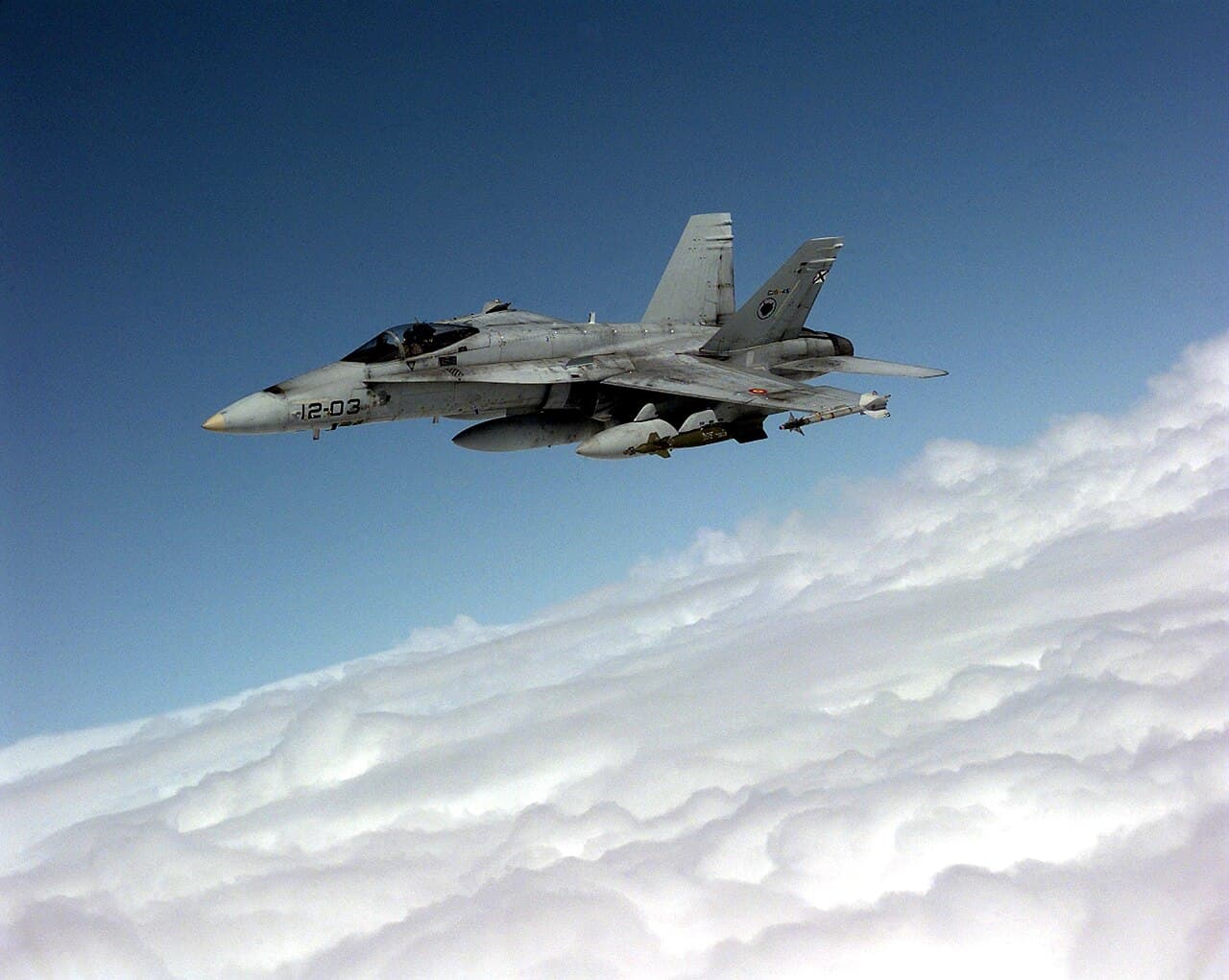
At 04:44 EEST (01:44 UTC) on Sunday, August 16, 2026, Romanian radar detected a drone entering national airspace from the direction of Moldova. Two Spanish F-18s, part of NATO's air policing mission in Romania, were scrambled in response. At 05:01 EEST (02:01 UTC), the drone was intercepted and destroyed in an unpopulated area between the villages of Băleni and Cudalbi, Galați County. Romanian Defence Minister Radu Miruța announced the intercept on X: "Romania is defending its airspace, and our allies are standing with us. Vigilance, rapid response, and allied solidarity - these are the concrete guarantees of our security."
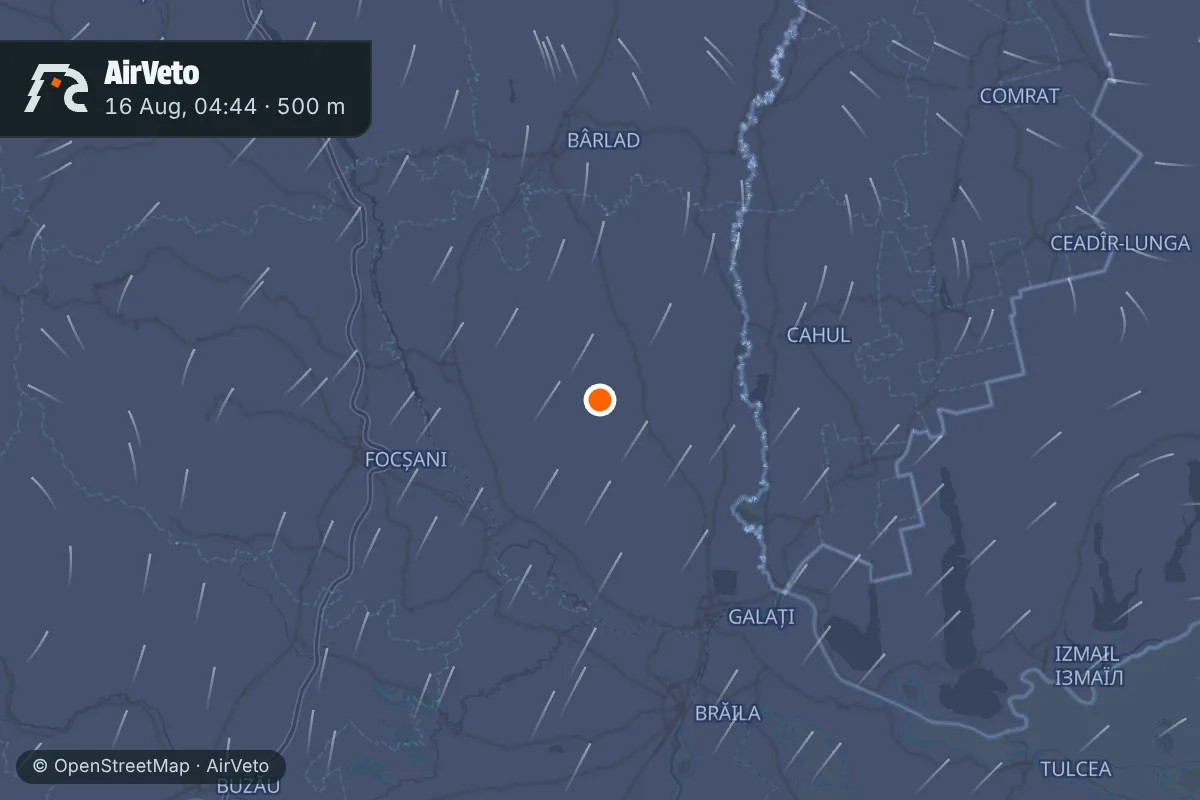
Romanian officials have not confirmed the drone's origin
Miruța's statement did not name the drone's country of origin. Colonel Martin O'Donnell, spokesperson for NATO's Supreme Headquarters Allied Powers Europe (SHAPE), said additional circumstances of the incident were still being investigated but that, "judging by everything," the drone was Russian. Romania's Ministry of National Defence said only that radar detected the object as it crossed from Moldovan into Romanian airspace roughly 24 km north of the city of Galați.
The seventeenth-minute intercept fits a week of sharply rising drone activity over Romania
The 16 August intercept was one of at least three Romanian airspace events in the four days prior. Romanian military divers carried out controlled detonations of two Gerbera-type decoy drones found drifting in the Black Sea near the Neptun Deep offshore gas project on 11 August, after Ukraine confirmed the drones were not its own. On 13 August, two Spanish F-18s were separately scrambled after an object was spotted in Romanian airspace near the Ukrainian border; it spent 12 minutes over Romanian territory before crossing back into Ukraine. Shortly after, Miruța said Romanian authorities had detected more than 100 drones in the vicinity of Romanian territory over a 96-hour span, with NATO fighters activated seven times in response - most of the drones were destroyed by Ukrainian air defences outside Romanian territory, close enough for debris to reach Romanian shores.
The 16 August intercept follows a shift in Romania's posture that began in late July. Between 24 and 26 July, Romanian F-16s shot down three drones that violated the country's airspace, the first interceptions of their kind by the Romanian Air Force - see the Padina shoot-down. Romanian prosecutors later identified one of those three as a Russian Shahed-type drone, prompting Bucharest to prepare a diplomatic protest to Moscow. A fourth drone crossed into Romanian airspace near the Danube Delta on 2 August; Romanian F-16s scrambled but did not engage, and the drone was shot down by Ukrainian forces after it re-entered Ukrainian airspace.
Wind conditions over Galați County
At 02:00 UTC on 16 August, the 500 m layer over the intercept point showed wind pushing north-northeast at 19.9 km/h. At 2,000 m the wind backed to push west at 13.1 km/h; at 3,000 m it shifted to push south at 5 km/h, a light and variable flow aloft.
This reconstruction draws on reporting by UPI, LRT, and Euromaidan Press, and on AirVeto's wind-model data for the 01:44-02:01 UTC window on August 16, 2026. How the model is built and where it is reliable is on the methodology page. A full archive of drone and airspace incidents across the EU's eastern border is at the incident archive.
Related location
- Romania - Romania, a NATO member since 2004, shares a Danube-river border with Ukraine at the Black Sea delta and has repeatedly recorded drone debris, intercepts, and naval-drone incidents along that frontier and its Black Sea coast since September 2025.